
--- Oral Surgery Cadaver Course
Oral Surgery Cadaver Course for the GDP
A two-day hands-on surgical training course designed to give general dental practitioners the confidence to perform surgical procedures safely and predictably.
Two days intensive hands-on training
Pig head and cadaveric surgical experience
Small group teaching
2 Days
Intensive practical surgical training
15 CPD
Hours included on completion
Coventry
Hotel and hospital-based training
£2,195
Including VAT
Why dentists book this course
- Develop confidence with surgical extractions, flap design, suturing, coronectomy protocols and OAC closures.
- Bridge the gap between theory and clinical reality through supervised practical experience.
- Understand surgical anatomy more clearly by working with realistic models and fresh-frozen cadaveric specimens.
- Learn in a small-group environment with close feedback from experienced clinicians.
--- Oral Surgery Cadaver Course
Designed for dentists who want to operate with more certainty
After 15 years of teaching surgical dentistry, the course is structured around the real situations GDPs face in practice: failed extractions, anxious decision-making, limited hands-on training, and the need for predictable, repeatable protocols.
The GDP Transitioning to Complex Surgery
You are comfortable with simple extractions, but you want the confidence to manage teeth that do not budge, fractured root tips, and sectioned molars without that sinking feeling when a case becomes difficult.
The Associate Tired of Referring
If you are frustrated by failed extractions, unsure where to begin, or tired of sending patients onto long waiting lists, this course provides a step-by-step methodology to make treatment more predictable and less stressful.
The Safety-First Clinician
By identifying the lingual and inferior alveolar nerves on cadaveric specimens, you move from hoping you are safe to knowing where the danger zones are.
The Aspiring Implant Dentist
Before placing implants, you need to master the ridge. This course builds the surgical foundation required for implantology, sinus grafting, and advanced guided bone regeneration.
The Experienced Dentist Seeking a Refresher
Even after years in practice, technique can drift. Use two focused days to refine flap design, coronectomy protocols, OAC closures, and tension-free suturing with specialist feedback.
Built around the real-world GDP workflow
The page content has been translated directly from the supplied course sitemap, with the key conversion points preserved: clarity, practical focus, trust signals, and booking intent.
--- Oral Surgery Cadaver Course
Designed for dentists who want to operate with more certainty
Extensive Hands-On Training
Delegates spend most of the course performing procedures themselves rather than only observing demonstrations.
Cadaveric Surgical Experience
Cadaveric specimens provide a realistic understanding of anatomy, access, instrument control and safe surgical positioning.
Small Group Teaching
Delegate numbers are deliberately limited to ensure personalised support and close supervision throughout the course.
High Tutor-to-Delegate Ratio
Experienced surgical tutors provide real-time guidance, feedback and practical corrections as you work.
--- What You Will Learn
Core outcomes focused on confidence, anatomy and execution
By the end of the course, delegates should feel more confident approaching surgical cases with better judgement, better access design and stronger procedural control.
- Greater confidence performing surgical extractions
- Improved understanding of surgical anatomy
- Enhanced flap design and surgical access techniques
- Experience using surgical instruments correctly
- Improved decision-making in surgical cases
Skill areas reinforced across the two days
- Case selection and treatment planning
- Structured surgical protocols for predictability
- Recognition of anatomical danger zones
- Technique refinement under close tutor supervision
- Practical feedback that translates directly into clinical practice
--- Course Format
A structured two-day learning journey
Core surgical principles and pig head practical training
- Core surgical principles
- Case selection and treatment planning
- Demonstrations of surgical techniques
- Hands-on training using pig head models
Advanced cadaveric surgical training
- Advanced surgical training with cadaveric specimens
- Close tutor supervision throughout practical sessions
- Direct procedural guidance and immediate feedback
- Realistic anatomical experience to reinforce safe technique
--- Meet the Tutors
Experienced clinicians with extensive surgical and teaching backgrounds
The tutor profiles below are based directly on the course structure document and can be replaced with full profile cards and photos later.

Dr Mohsin Ali
Director of MAG Dental Academy
Tier 2 oral surgery provider since 2011, with 15 years of teaching experience in surgical dentistry. Practice limited to implant dentistry and complex surgical cases.
Dr Ali has performed tens of thousands of procedures and is passionate about empowering dentists to carry out surgical dentistry with confidence.
Dr Atif Iqbal MSc Implant Dentistry
Practises implant dentistry and advanced oral surgery, and teaches as a postgraduate educator for the University of Liverpool.
Known for a straightforward and engaging teaching style that helps simplify oral surgery while keeping the learning environment approachable and practical.
Dr Sahra Jabbar MSc Implant Dentistry
Tier 2 oral surgery provider with six years of mentoring and teaching experience.
Focused on minimally traumatic oral surgery and practical mentorship, with experience sharing tools, techniques and advice in engaging surgical teaching environments.
--- Course Gallery
Visual trust-builders for the final live page
This HTML version includes styled placeholders for the recommended image areas noted in the document.
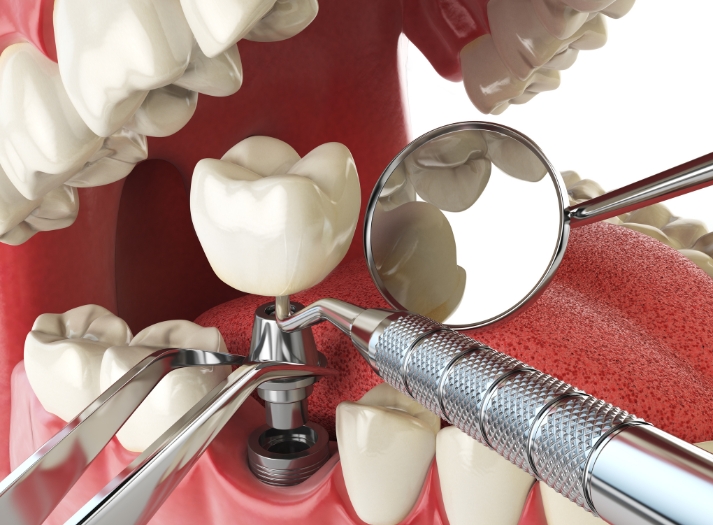
Cadaveric training sessions
Use this area for hero imagery showing realistic anatomy, hands-on learning and close tutor support.
Practical sessions
Demonstrate instrument use, access design and supervised operative technique.
Small group teaching
Show the close learning environment and high tutor-to-delegate interaction.
Tutors assisting delegates
Highlight direct feedback, correction and procedural mentoring.
Clinical atmosphere
Reinforce professionalism, structure and confidence-building throughout the course.